Why Source Tomato Paste from Egypt?
Egyptian tomato supply
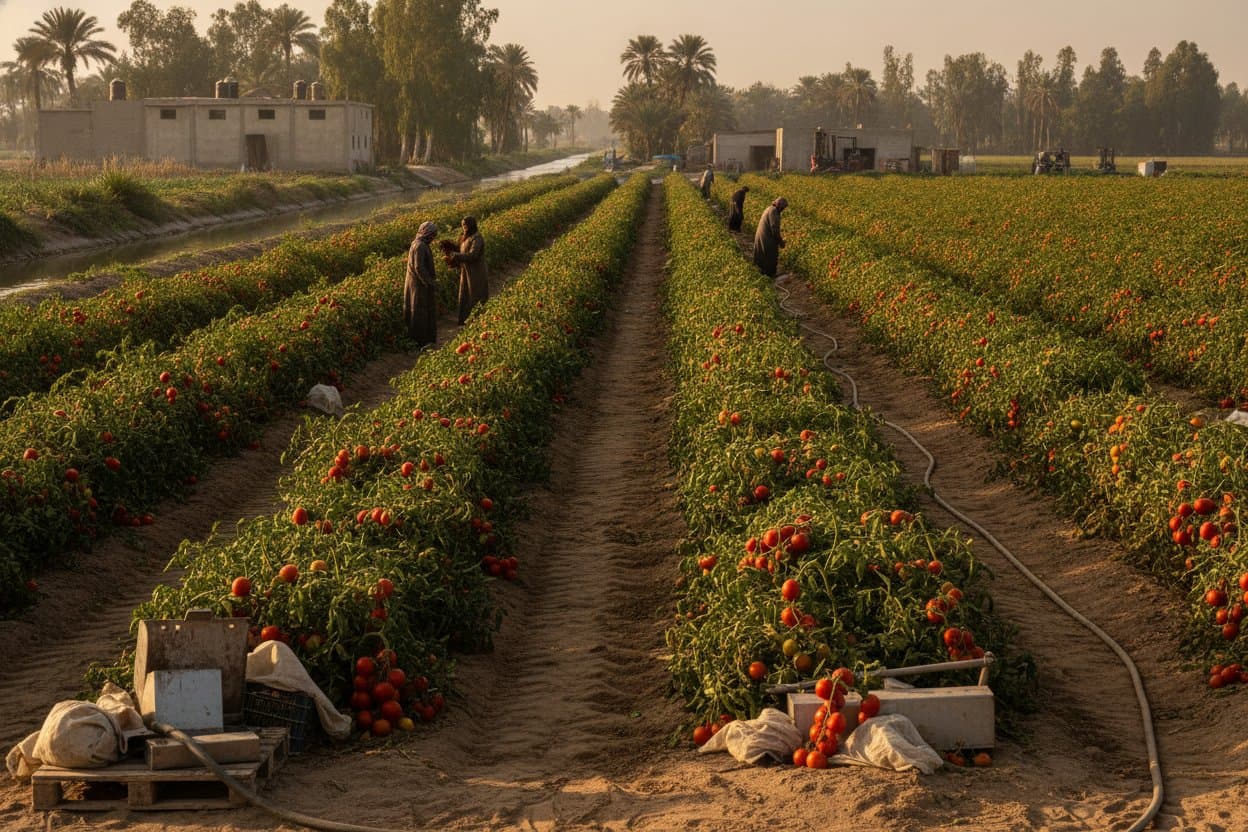
Egypt is among the world's largest tomato producers. Its irrigated farmland supplies processing tomatoes close to the factories, so fruit reaches the line soon after picking.
Three growing seasons
Egypt grows tomatoes in three seasons a year: summer, Nili (autumn) and winter, and TOMEX processes all three. Paste is stored in aseptic drums, which keep for 24 months, so contracts can be supplied through the year.
What three seasons mean for buyers
A single-season origin processes its whole crop in a few months and sells from stock for the rest of the year. Egypt grows processing tomatoes in summer, in the Nili season (autumn) and in winter, and TOMEX processes all three. Fresh paste is produced at several points in the year, not once.
For a buyer this does two things. Contracts can be planned across the year instead of around one harvest. And because aseptic drums keep for 24 months from production, stock from one season covers the gap to the next. The production date of each batch is what counts for shelf life, so plan orders so paste is used well within its 24 months.
Mediterranean export location
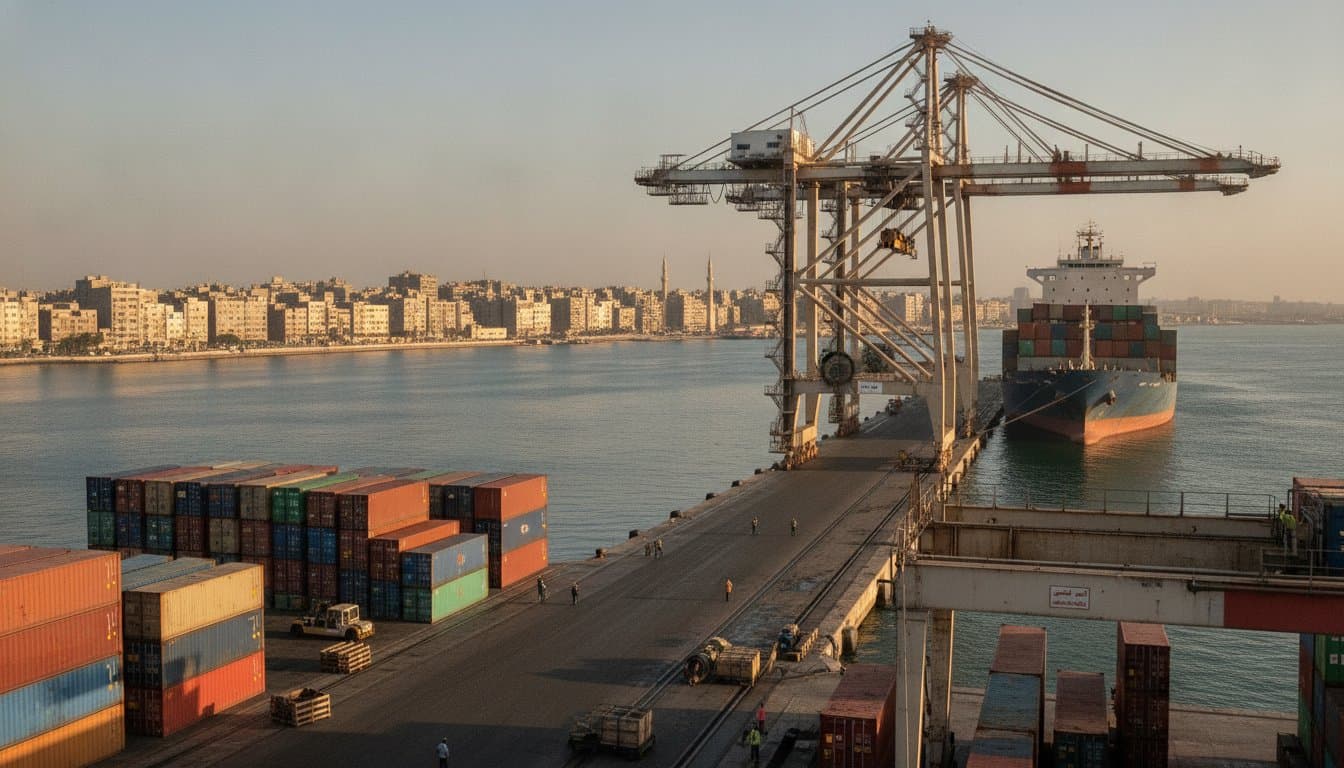
Alexandria is Egypt's main Mediterranean port, with regular container services to Europe and North Africa. Ships for the Red Sea, the Gulf and East Africa reach them through the Suez Canal without rounding a continent.
Access to the Middle East, Africa and Europe
Libya, Sudan and, via the Aqaba ferry, Jordan and Saudi Arabia can also be reached by road. Egypt is a member of regional trade frameworks including the Greater Arab Free Trade Area and COMESA, which may reduce import duties depending on the product and destination; confirm the applicable rate for your market.
How Egypt compares with other origins
| Factor | Egypt (TOMEX) | Italy | China |
|---|---|---|---|
| Harvest | Three seasons: summer, Nili and winter | July to September | — |
| Cost base | Competitive FOB | Higher production costs | Low, but longer freight |
| Trade access in the Middle East and Africa | GAFTA and COMESA member | EU tariff schedule | Standard tariffs |
Indicative comparison. Freight, duty and price depend on route, product and destination.
Trade frameworks and duty
Egypt is a member of the Greater Arab Free Trade Area (GAFTA) and of COMESA. Goods of Egyptian origin can pay a lower duty, or none, in member markets when the right certificate of origin goes with the shipment. The benefit depends on the product, the destination and the rules of origin, so confirm the rate for your market with your customs broker before you order. Our guide Tomato paste HS code and import duty explains how the customs code and the origin set the duty.
Questions about sourcing from Egypt
Is Egyptian tomato paste available all year?
Which markets can be reached by road from Egypt?
Does Egyptian origin reduce import duty?
Competitive production economics
Domestic raw material, local processing and short sea routes to nearby markets mean Egypt can offer a competitive FOB cost base compared with many European origins. Prices depend on season, grade, packaging and volume, and are confirmed on each quotation.